Beyond the Broadcast: Our Bold New Season Begins. Watch Now ->
Beyond the Broadcast: Our Bold New Season Begins. Watch Now ->

A curious Jewish holiday occurs between Passover in the spring and Shavuot in early summer. It lasts seven weeks, has few customs, and involves neither fasting nor feasting. It’s called The Counting of the Omer, and it is traditionally a period of anticipation and expectancy. Here’s why.
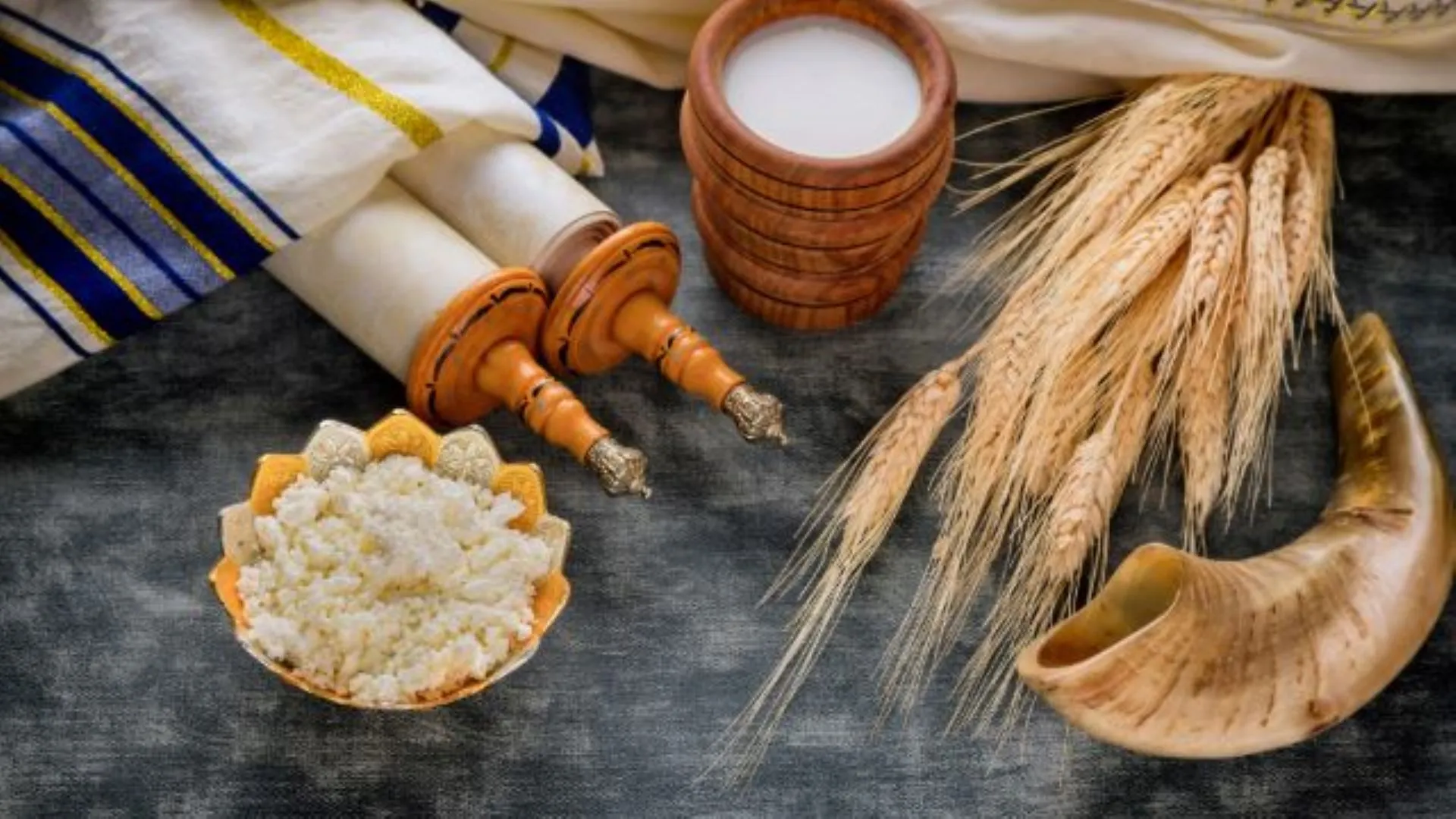
When outlining the biblical feasts (the appointed times God wanted Israel to observe throughout our generations), the Lord told the Israelites to count seven weeks, 49 days, between the Passover grain offering and the next grain offering on Shavuot. They were to start counting on the second day of Passover and make the grain offering on the 50th day. An omer is a biblical measure of grain used to make the bread of such agricultural offerings, so between Passover and Shavuot, we “count the omer.”
The Lord communicated a calendar date for most other appointed feasts. For Shavuot, however, He specifically asked us to count the days between one feast and the next. It’s as if He wanted to build anticipation in us for something that was coming. Aside from the next grain offering, our ancestors didn’t know what that was.
As the Israelites left Egypt, they didn’t know what to expect. More than once on the journey, they grew frightened and longed for what they knew versus the unknown ahead, even if it meant returning to slavery. But God has something beautiful planned for them. Fifty days after leaving Egypt, the Israelites found themselves at the base of Mount Sinai, where the Lord gave them the Torah, His Law. Thus, the ancient agricultural festival of Shavuot, which means “weeks,” became associated with the Jewish people receiving the Torah.
The Feast of Shavuot also contains a prophetic picture fulfilled in the New Testament. After Jesus, the Messiah, died and rose again, He told His disciples to stay in Jerusalem and wait for the Father’s promised gift, the Holy Spirit (Acts 1:4). Though the disciples had more information to go on about the Holy Spirit than the Israelites did about their Exodus into the wilderness, there were still uncertainties. Jesus had told them what the Holy Spirit would do for them, but how could they know what that would be like? How would a Spirit lead them, teach them and convict them of sin? It was another period of not really knowing what God would do.
When Shavuot (also called Pentecost, which is the Greek word for fiftieth) arrived ten days after Yeshua (Jesus) ascended to Heaven, His disciples were together in one place when the Holy Spirit came on them with a rushing wind and “tongues of fire.”
We count the omer for the seven weeks leading up to Shavuot, marking each night with a declaration of the day’s count and a blessing. It’s a perfect time to reflect on what God is doing in our lives and what more He wants to do.
What can we expect from the Lord? In the wilderness, He gave the Israelites the Torah, showing them more of who He is. At Pentecost, He first gave the gift of the Holy Spirit, who indwells every Believer, leading us and revealing the Lord, His truth, and our sin.
Scripture reveals that God is a giver of gifts (James 1:17). He has a purpose and a plan for each of us (Ephesians 2:10). He loves us with immeasurable love and longs for us to know Him (Jeremiah 31:3). The Lord has gifts He wants to give you. He has gifts He has already given you that, if you’re like many Believers, you’re still learning how to fully receive. Things like incredible and seemingly illogical peace; unwavering assurance of His love and grace toward you; wisdom to walk through this earthly life that’s full of sin and pain; and the power to follow Him in the Spirit rather than letting the old nature rule.
Ephesians 3:20 says that God can do so much more than we can even ask or imagine. What might He want to do in your life during this Counting of the Omer season? We may not know exactly what to expect, but we do know that God is in the business of transforming, guiding, and using the lives of those who are His.
Over the seven weeks of The Counting of the Omer, take some time to lay your life before the Lord, asking Him what He wants from you and for you. You can use the reflection questions below to help spark your prayer times. He may or may not have a specific gift related to your circumstances. Regardless, He certainly wants to draw you closer to Him through your situation. Listen to hear how He wants you to focus your heart during this season of anticipation and how you can receive more of Him.
Click here to learn how to count the omer and mark this season of anticipation.


Tu B’Shevat is the Jewish New Year for Trees
What do you think about confession? Does it strike you as legalistic? Is that kind of self-examination a bit scary?