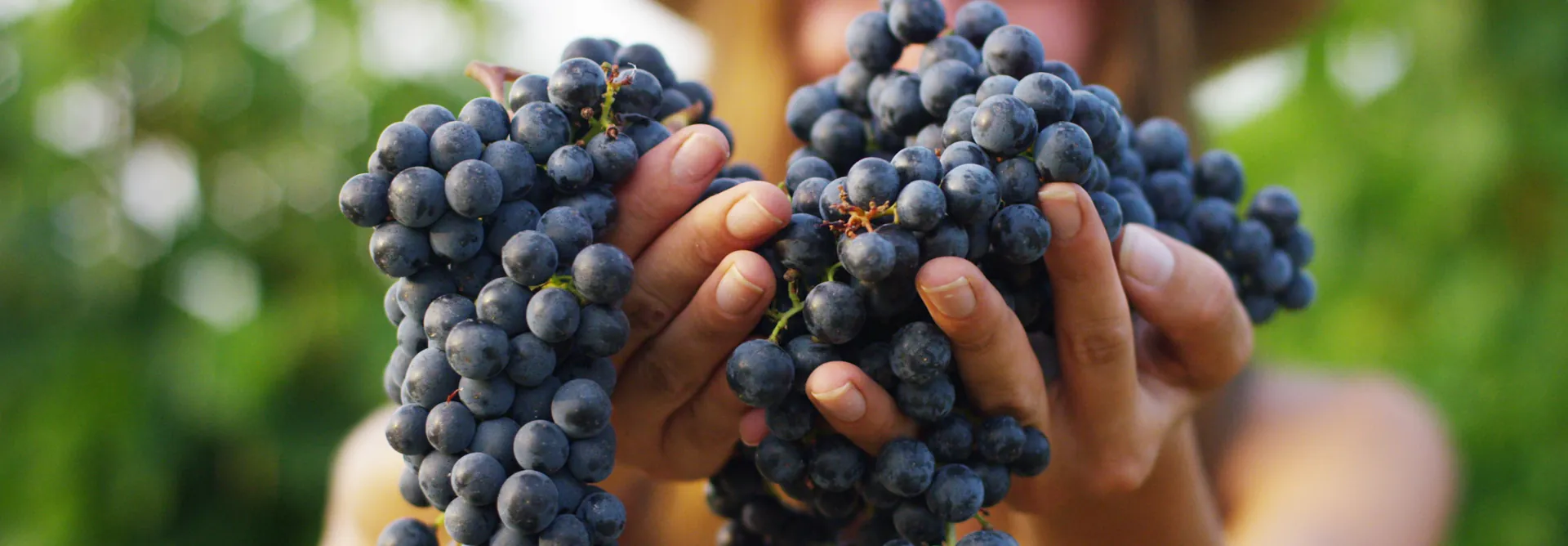
Baruch atah Adonai, Eleheynu Melech ha’olam, borey p’ri ha’gafen.
Blessed are You O Lord, our God, King of the Universe, who creates the fruit of the vine.
This traditional blessing is spoken over the third cup of Passover wine. It is the cup of redemption reminding us of God’s saving power that delivered the Israelites from slavery in Egypt.
“This cup is the new covenant in My blood, which is poured out for you” (Luke 22:20 TLV), Yeshua (Jesus) said at His Last Passover, referring to the fruit of the vine.
Earlier, He told His followers, “I am the Vine, and you are the branches…apart from Me, you can do nothing” (John 15:5 TLV).
It’s true. We cannot redeem ourselves. We cannot pull ourselves out of our slavery to sin or off the road leading to eternal death.
But God came to our rescue. By becoming the payment that God’s holiness demands for our sin, Yeshua – through His death – offers us eternal life. “I am the way, the truth, and the life! No one comes to the Father except through Me,” Yeshua said in John 14:6. Apart from faith in this sacrificial act of Yeshua, we cannot know God. It is through trusting Him that we are seen as clean and righteous before God. His blood paid for our sin. Our faith in this brings us His righteousness.
Can it really be that…easy? That simple? Don’t we have to earn the position of acceptable before God? After all, what about keeping God’s Law?
“Therefore the Torah became our guardian to lead us to Messiah so that we might be made right based on trusting” (Galatians 3:24 TLV).
The Law is good and holy…and it makes us recognize the impossibility of earning acceptance before God. The Law points us to Yeshua. Apart from Yeshua, we can do nothing. But…through faith in the grace of God that was portrayed during the last 24 hours of Jesus’ life, our “sin account” is marked “Paid in Full” and “Made Right.” (See Ephesians 2:8-9.) And we enter into a new relationship with God where we are transformed into the image of Yeshua and can enjoy eternal fellowship with the God who is all good, loving, pure, and excellent!
Jonathan Bernis has prepared a powerful DVD called His Final Footsteps, Retracing the Last 24 Hours of Jesus’ Life, which he filmed on location in Israel. Travel with Jonathan from the Upper Room, through Jerusalem, and to the Mount of Olives where Yeshua was betrayed, Golgotha where He died, and the Garden Tomb that He left empty when He rose. Each hour of Yeshua’s last 24 was pivotal, forever changing the course of history. As you retrace His final footsteps, your understanding of His great love for you will grow, and your faith will be strengthened.
Tune in for this week’s television program Jewish Voice with Jonathan Bernis April 12-17, 2015 – and all through April – for inspiring teaching about the last 24 hours of Yeshua’s life. For our television schedule, click here.
To learn more about Yeshua (Jesus), visit our Who Is Yeshua? page on the Jewish Voice website.


We’ve collected some recipes from our staff and put together a Passover menu and recipes for you to enjoy.

Scriptures show us that God set apart the Jewish people

Explore preparations for rebuilding the Third Temple in Israel, including the Temple Movement's efforts, archaeological discoveries, and prophetic significance.