What if Chanukah is more than just candles and presents What if it isn’t really the memorial of a miracle What if the real Chanukah story is actually a rallying cry for the Jewish people, and a graphic exhortation to all who have dedicated their lives to serve the Messiah
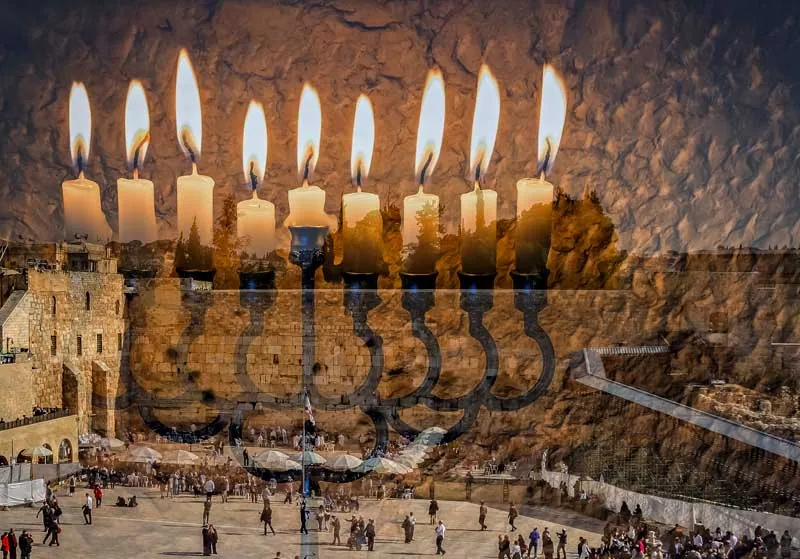
Chanukah, also called the Feast of Dedication, is a celebration of God’s faithfulness and deliverance The events the holiday commemorates took place during the intertestamental period, in approximately 165 BC
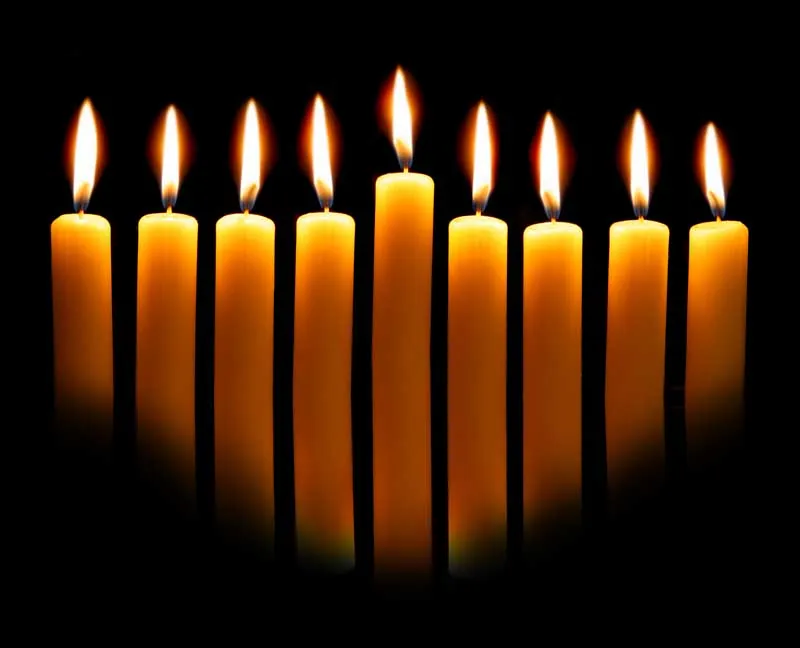
Chanukah celebrates the cleansing of the Temple following the revolt of the Maccabees against the Seleucid Greek Empire of Syria. Chanukah is sometimes called the Festival of Lights, because it commemorates the traditional account of a miracle of finding one cruse of sacred oil—enough for one day—that lasted for eight days, the length of time it took to produce more sanctified oil for the N’er Tamid (Eternal Light) in the Temple.
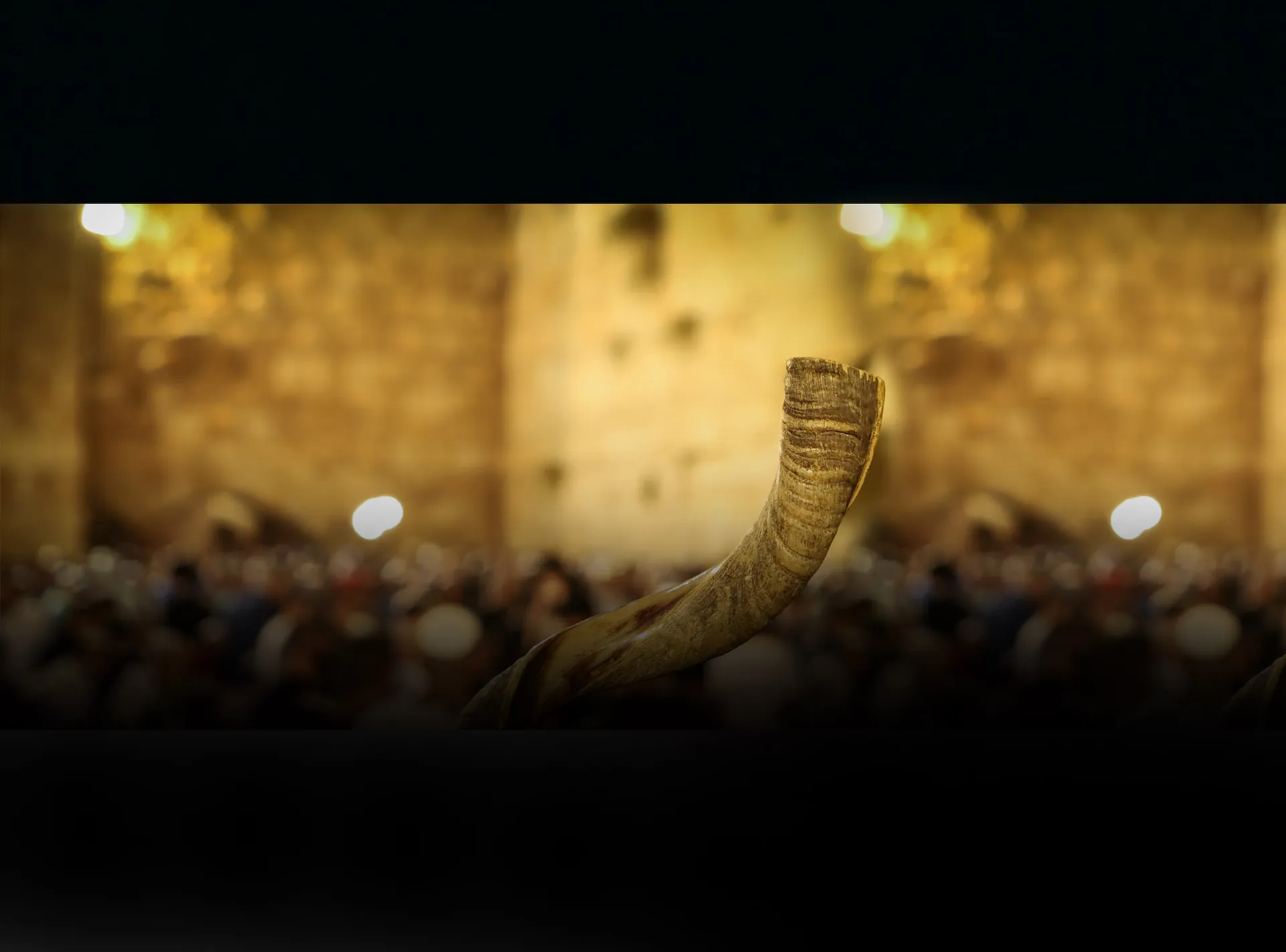
The Fall Feasts are almost upon us By that I mean Rosh Hashanah, Yom Kippur and Sukkot

As summer winds down and the autumn of the year approaches, we enter into an extremely important period in the Jewish calendar known as the Fall Feasts.
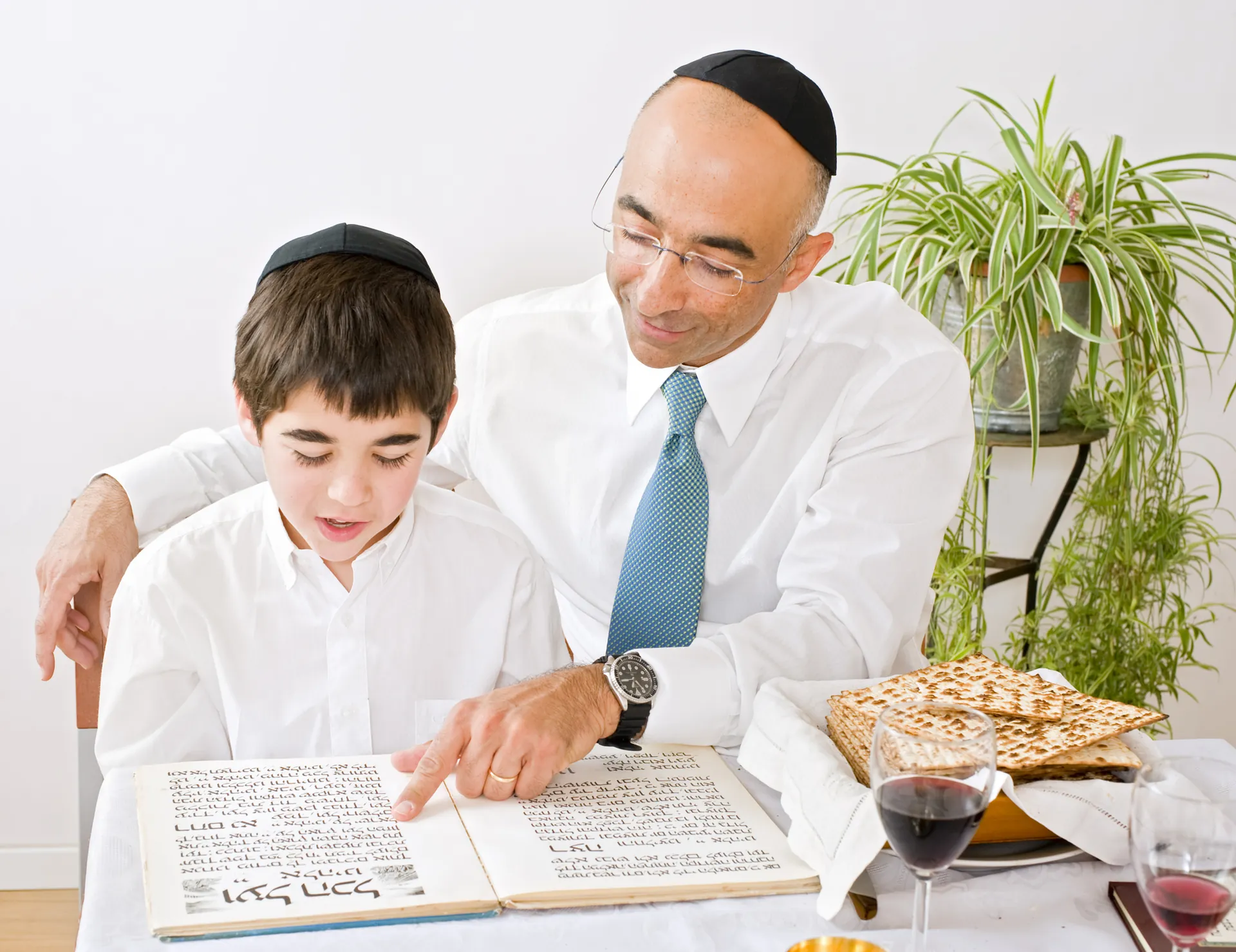
Jewish and Christian leaders, both in history and in the present day, offer considerable objection to Christian observance of the Passover
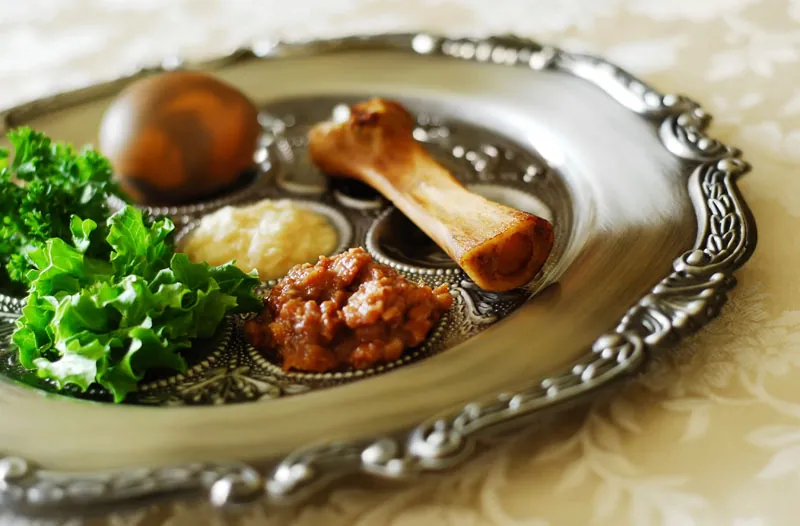
On the eve of Israel’s deliverance from bondage in Egypt, the LORD said to Moses and Aaron, “This month shall be the beginning of months for you; it is to be the first month of the year to you
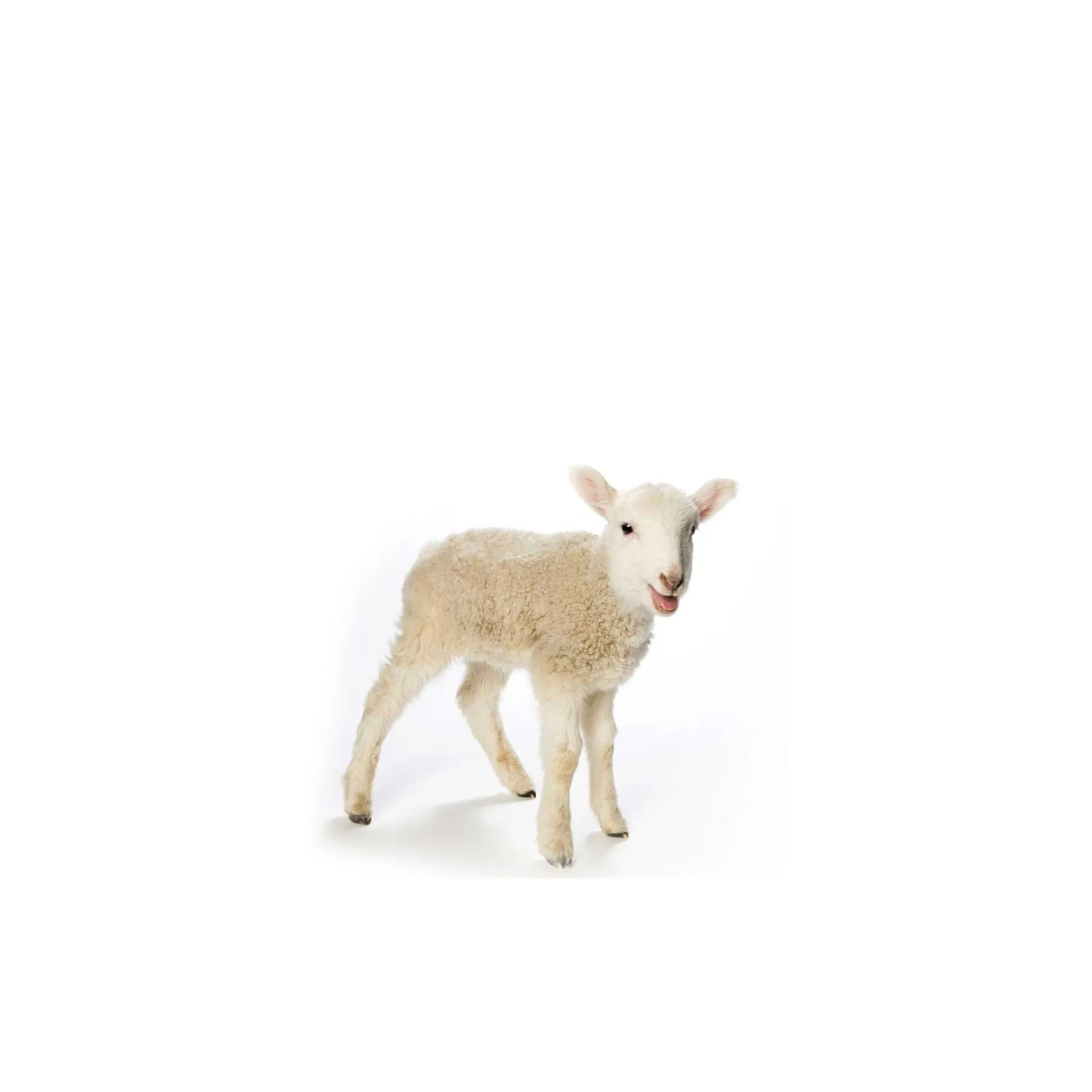
The Passover Exodus is the watershed event in Jewish history. Indeed, it is a momentous event for all mankind. Many Believers don’t fully comprehend the Passover in the context of the awesome atoning work of God. You cannot fully appreciate our redemption in the Messiah until you understand the ordinance of Passover. All the biblical Feasts and observances were foreshadows of the redemptive work that the Messiah would ultimately accomplish.